
If You Can Flex Your Body Easily, You Won’t Get Injured Easily
 John Smith
 Most people don’t think about flexibility until something hurts. You feel tight, you push through, and then boom, your body taps out. That small stiffness you ignored yesterday suddenly becomes a real problem today. Here’s the deal. Flexibility is about how well your body moves without resistance. Here’s what you didn’t know about what your body can do.
Why Flexibility Matters More Than You Think
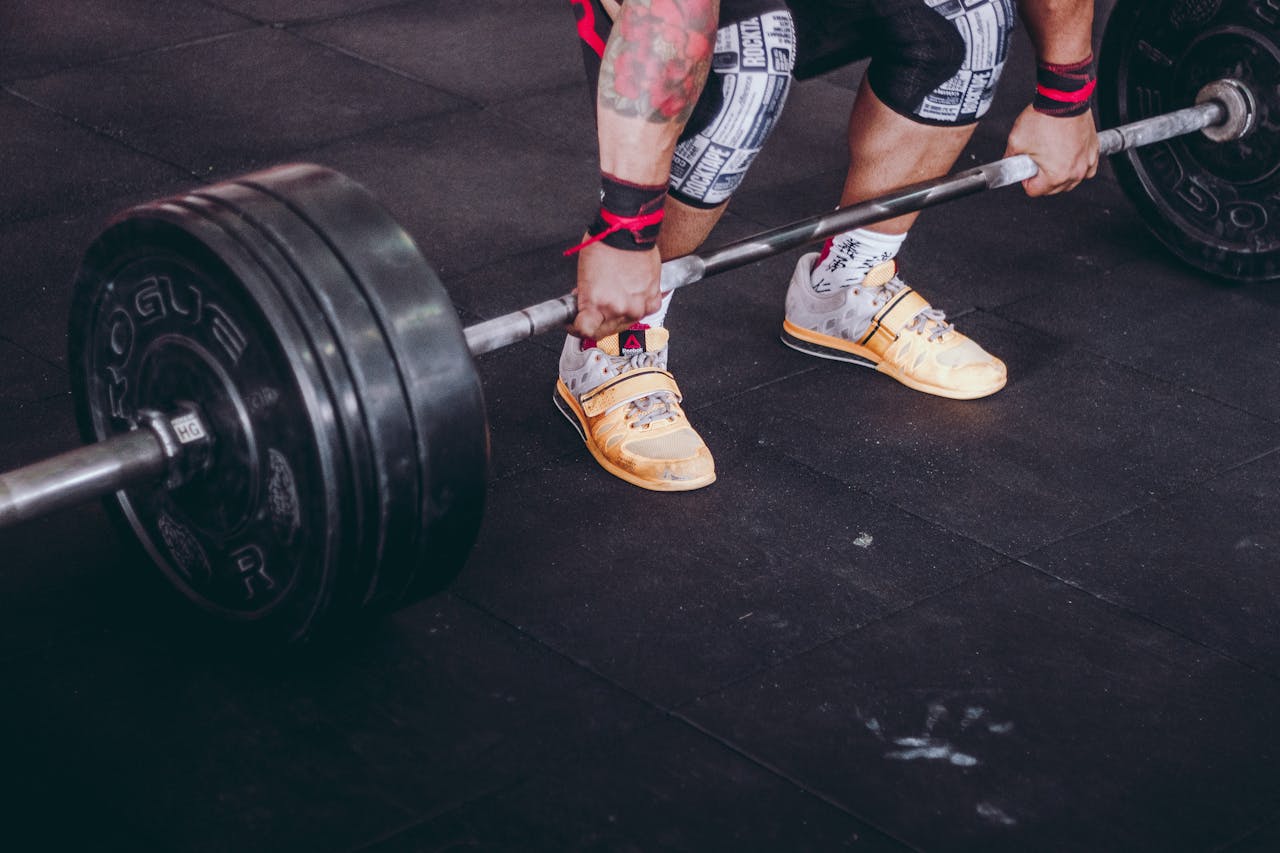
Flexibility allows your joints to move through a full range. That means less strain when you lift, run, or even sit for long hours. Your body doesn’t have to fight itself. Tight muscles restrict movement. When that happens, other areas compensate. That’s how small imbalances turn into injuries over time. Good flexibility helps distribute stress evenly. No single muscle takes all the load. That balance keeps things working properly. It also improves posture. Better alignment reduces unnecessary pressure on your body during daily tasks. It also helps improve overall movement efficiency, so you use less energy during physical activity.
How Tight Muscles Lead to Injuries
Think of tight muscles like stiff rubber bands. They don’t stretch well. When forced, they snap or strain. During workouts, your body moves quickly. If your muscles can’t keep up, they get overloaded. That’s when injuries happen. Tight hips can affect your lower back. Stiff shoulders can limit your upper body strength. Everything is connected. Ignoring tightness is like ignoring warning lights on a dashboard. Eventually, something breaks down. Over time, this repeated strain can lead to chronic pain that’s harder to fix.
The Role of Mobility in Injury Prevention
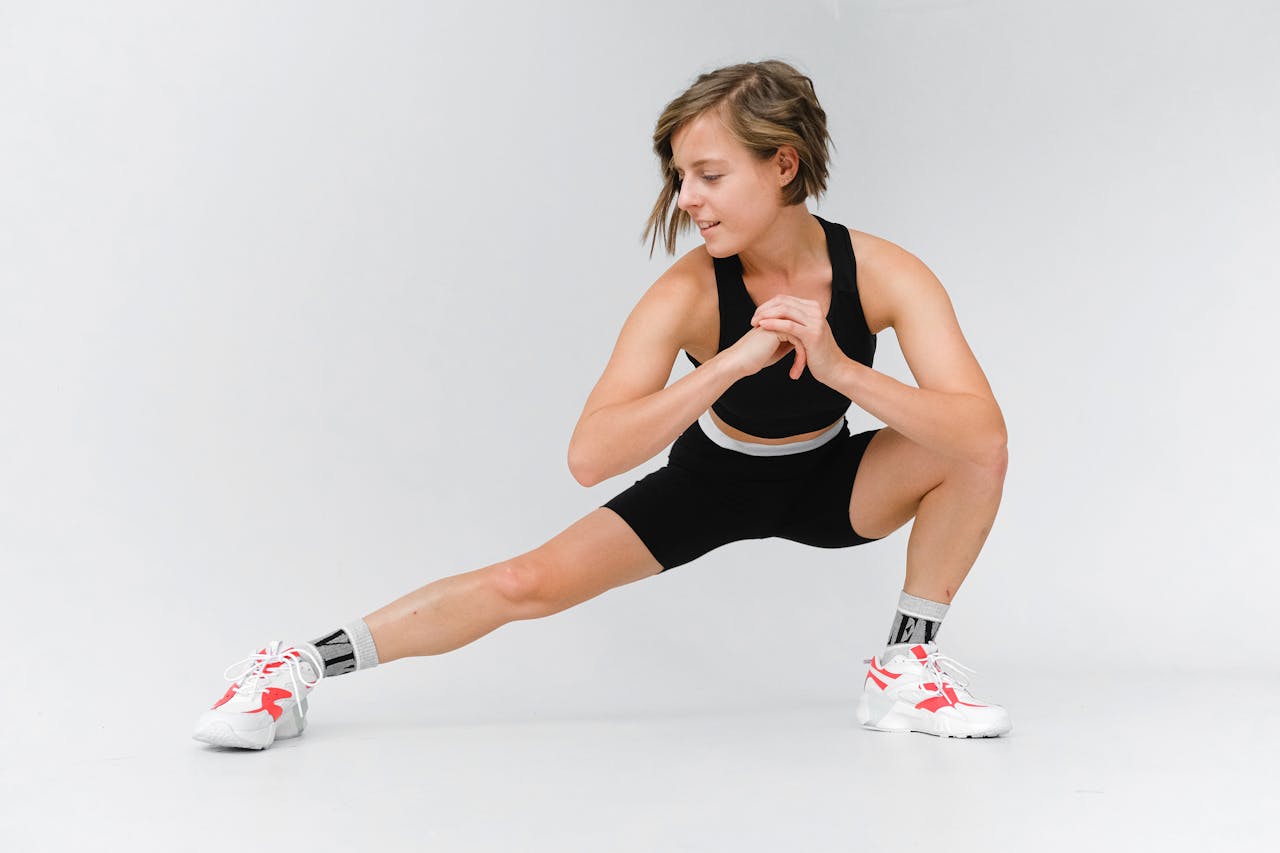
Mobility goes hand in hand with flexibility. It’s not just about stretching, but controlling movement. You need both working together. A flexible muscle without control can still lead to issues. That’s why strength and mobility matter equally. Exercises like lunges, squats, and rotations help improve mobility. They train your body to move efficiently. Better mobility means smoother transitions during movement. That reduces sudden stress on your joints. This combination allows your body to stay stable even during fast or unexpected movements.
Staying Consistent Without Overthinking It
You don’t need a complicated plan. Keep it simple and repeatable. That’s how habits stick. Add stretching to your daily routine. Morning, post-workout, or before bed. Pick a time and stay consistent. Listen to your body. If something feels tight, give it attention. Small adjustments prevent bigger problems. Progress takes time, but it’s worth it.
Simple Ways to Improve Flexibility Daily

You don’t need long sessions. A few minutes each day can make a difference. Consistency matters more than intensity. Start with dynamic stretches before workouts. They warm up your muscles and prepare them for movement. It reduces sudden strain. After workouts, use static stretches. Hold each stretch for a short period. This helps your muscles relax and recover. Even on rest days, light stretching helps. It keeps your body loose and ready for the next session. Short sessions done regularly are far more effective than long sessions done occasionally.
A flexible body is a more resilient body. Flexibility isn’t optional if you want to stay active and pain-free. It supports every movement you make, from workouts to daily life. Start small, stay consistent, and your body will thank you by staying strong and injury-free.…